Dubai Street Food Guide: What to Eat and Where
A guide to Dubai street food: shawarma, falafel, manakish, Chips Oman rolls and karak, the best neighbourhoods to explore, and food safety tips.
Key takeaways
- Dubai’s street food lives in cafeterias, grills, bakeries and night markets rather than roadside carts.
- Deira, Bur Dubai, Karama and Satwa are the best neighbourhoods for cheap, authentic snacks.
- Choose busy places with a fast turnover, and go in the evening or the cooler months for the best atmosphere.
On this page
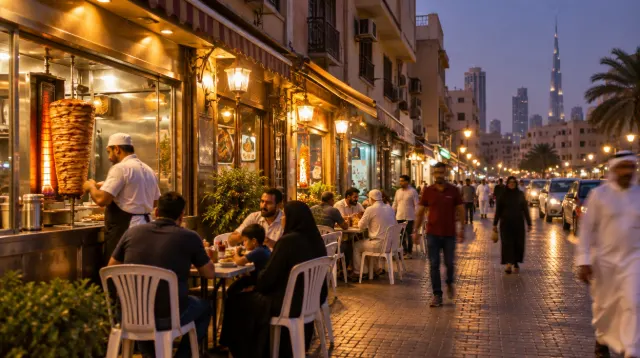
Dubai’s best street food isn’t sold from carts on every corner. Street vending is tightly regulated, so the city’s cheap, fast, delicious food lives in small cafeterias, shawarma counters, Levantine bakeries, juice shops and seasonal night markets. Head to the older neighbourhoods of Deira, Bur Dubai, Karama and Satwa, and you can eat very well for a few dirhams a dish. Here’s what to order, where to go and how to do it safely.
What to eat
| Dish | What it is | Where to find it |
|---|---|---|
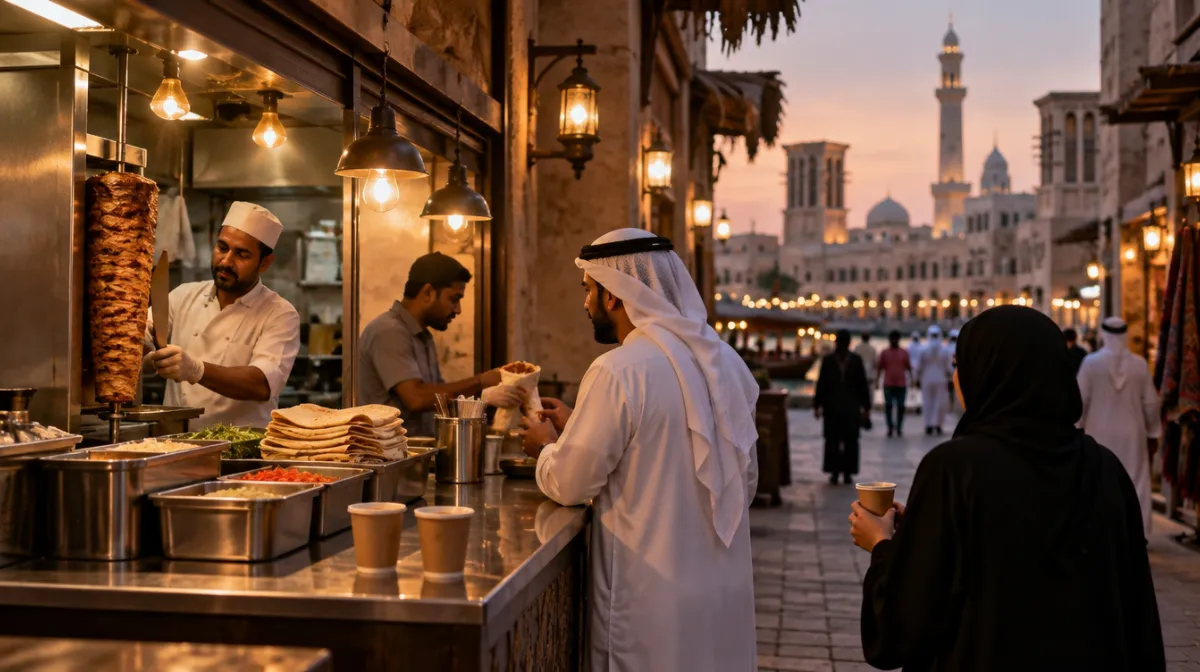
| Shawarma | Spit-roasted chicken or meat in flatbread with garlic sauce and pickles | Everywhere, especially Al Rigga and Satwa |
| Falafel and hummus | Fried chickpea balls in bread, or a plate with hummus and salad | Levantine cafés and bakeries |
| Manakish | Flatbreads baked with zaatar, cheese or minced meat | Lebanese and Syrian bakeries |
| Chips Oman roll | Paratha with cream cheese, crushed Chips Oman crisps and hot sauce | Neighbourhood cafeterias |
| Regag | Paper-thin Emirati bread cooked on a griddle with egg, cheese or honey | Emirati snack stalls and heritage areas |
| Samosas and pakoras | Fried pastries and fritters, often vegetarian | South Asian cafeterias in Karama and Bur Dubai |
| Chaat and pani puri | Crunchy, tangy Indian snacks with chutneys | Meena Bazaar and Karama |
| Luqaimat | Crisp dumplings drizzled with date syrup | Emirati stalls, festivals and cafés |
| Kunafa | Warm cheese pastry soaked in syrup | Levantine sweet shops |
| Karak chai | Strong, sweet tea boiled with milk and cardamom | Almost every cafeteria |
For more depth on two classics, read our guides to shawarma in Dubai and karak chai. If you want to make the sweet finish at home, try our luqaimat recipe.
The best neighbourhoods
| Area | What to expect |
|---|---|
| Deira (Al Rigga, Al Muraqqabat, the souqs) | Levantine grills, juice shops, old-school cafeterias and the spice souq |
| Bur Dubai and Meena Bazaar | Indian snacks, vegetarian eateries and sweet shops |
| Karama | Kerala, Pakistani and Filipino cafés, cheap and cheerful |
| Satwa | Late-night grills, shawarma and bustling pavements |
| Al Fahidi and Al Seef | Emirati snacks and cafés in restored heritage settings |
Our guide to cheap eats by neighbourhood goes street by street. Seasonal markets and attractions such as Global Village, which usually opens in the cooler months, add food stalls from dozens of countries.
How to order like a local
- Cafeterias are casual. Order at the counter, wait for your name or number, and eat standing up or at a plastic table outside.
- Some cafeterias still serve cars. In residential areas, staff may bring orders out to customers parked outside. Follow what others do, and don’t block traffic.
- Customise freely. Ask for extra garlic, no fries, more chilli or “spicy” sauce.
- Cards are widely accepted, but a little cash is handy for very small shops.
- Sharing is normal. Order several small things and pass them around.
A sample street food walk
This route takes about three hours and works best from late afternoon:
- Start in Al Fahidi with regag or luqaimat and a cup of tea.
- Cross the creek by abra (the traditional wooden water taxi) to the Deira souqs, and browse the spice souq.
- Walk to Al Rigga for shawarma, falafel and a fresh fruit cocktail.
- Finish with kunafa and a karak before heading home.
It pairs well with a self-guided walk through old Dubai, which covers the heritage sights along the same route.
Food safety tips
Dubai’s food outlets are licensed and inspected, and most street food is safe and freshly made. A few habits help:
- Choose busy places. High turnover means fresher food, especially for shawarma and grilled meats.
- Hot food should be hot. Skip anything that has been sitting lukewarm.
- Look at the counter. Clean surfaces, covered ingredients and staff wearing gloves and hairnets are good signs.
- Ask about allergens. Nuts, sesame and dairy are common in sauces and sweets.
- In summer, drink plenty of water, and eat in air-conditioned spaces in the middle of the day.
Curious how inspections work? Our guide to Dubai Municipality food safety rules explains what outlets must do.
Eating on a budget
- Karak and samosas are among the cheapest snacks in the city.
- Set meals at cafeterias (a wrap, fries and a drink) are usually good value.
- Parathas and curries in Karama and Bur Dubai stretch a small budget a long way.
- Avoid tourist hubs for everyday snacks; prices drop a few streets away.
When to go
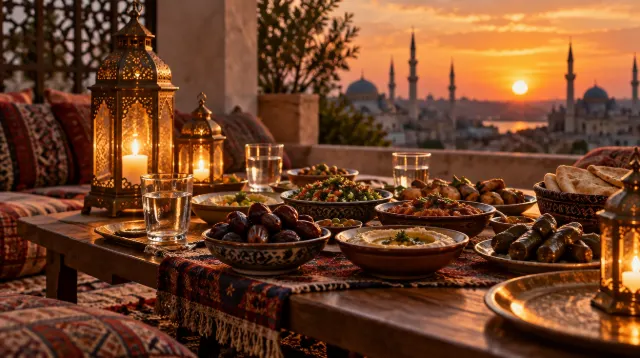
Evenings are when the old neighbourhoods come alive, especially at weekends. The cooler months, roughly October to April, are the most pleasant for walking between spots. During Ramadan, many places close during daylight hours and reopen after sunset with special iftar and late-night menus; see our guide to iftar in Dubai.
Frequently asked questions
Is street food in Dubai safe?
Generally, yes. Food outlets are licensed and inspected by Dubai Municipality. Choose busy places, eat hot food hot and follow your instincts about cleanliness.
Is street food in Dubai halal?
Almost all food at cafeterias, grills and bakeries is halal. If you have specific dietary needs, ask; staff are used to questions.
What is Dubai’s most famous street food?
Shawarma is the most famous, with karak chai a close second. The Chips Oman paratha roll is a uniquely local favourite worth trying.
Sources

Every article is edited by a human and checked against our editorial policy. Spotted a mistake? Tell us.