Dubai Food Trade Licence: Steps and Costs to Plan For
How to get a food trade licence in Dubai: choosing the right activity, mainland vs free zone, approvals from DET and Dubai Municipality, and the costs.

Steps to open a restaurant in Dubai: concept, trade licence, location and Ejari, Dubai Municipality approvals, fit-out, Civil Defence, staffing and launch.
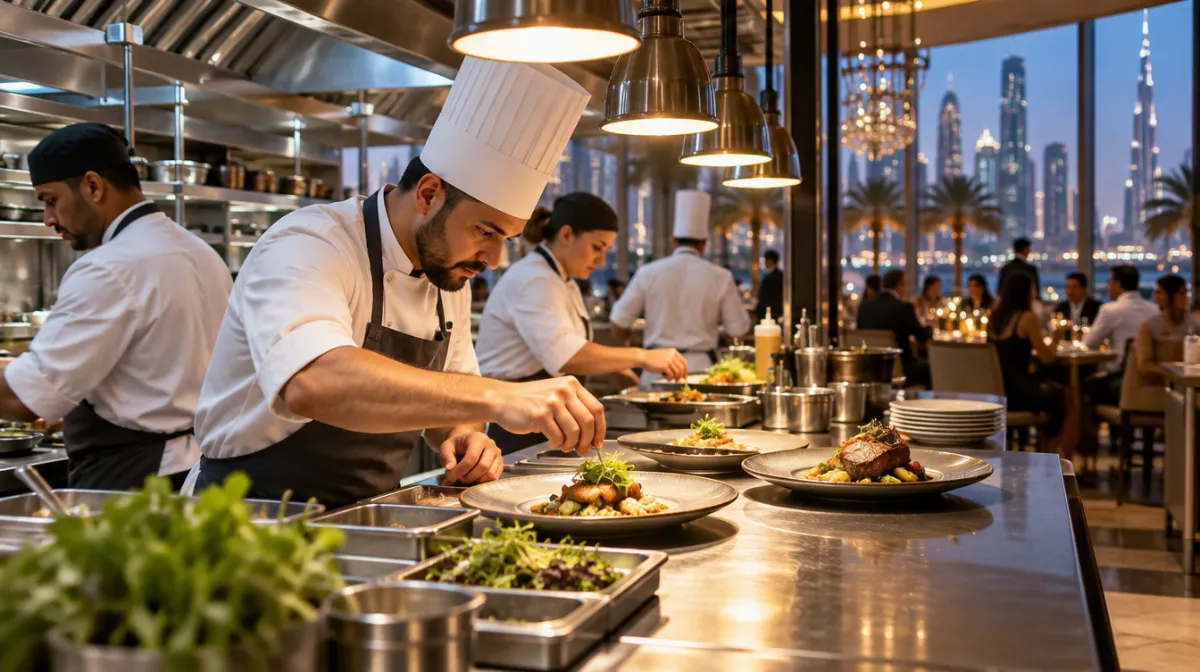
Dubai is one of the world’s most exciting places to open a restaurant, and one of the most competitive. Demand is huge, the customer base is international and new concepts can grow fast. But the approvals process has many steps, and mistakes in the early stages are expensive. This roadmap shows the order in which things usually happen.
Before you look at a single unit, define your concept: cuisine, price point, service style (dine-in, café, quick service, delivery-only) and target customers. Then build a financial model covering:
Most restaurants serving the public operate with a mainland trade licence issued by Dubai Economy and Tourism (DET), which lets you trade anywhere in the city. Our Dubai food trade licence guide breaks down the steps and costs. Free zone licences can suit some food businesses, but trading with the public outside the zone is often restricted, so check carefully.
Steps typically include choosing a trade name, selecting the right business activity, and obtaining initial approval. A business setup adviser can help you choose the right activity and legal form.
Hire a fit-out contractor experienced with Dubai food outlets. Your kitchen layout and design drawings typically need approval from Dubai Municipality (food safety and public health) and Dubai Civil Defence (fire safety) before construction; our summary of Dubai Municipality’s food safety rules covers the requirements in more detail. Getting approval first avoids tearing out finished work.
Build to the approved drawings. Key elements include commercial kitchen equipment, extraction and fire suppression systems, cold storage, grease traps and hand-washing stations. Keep records and warranties for inspections.
Once fit-out is finished, the authorities inspect the premises. You’ll need Dubai Municipality’s food establishment approval and Civil Defence clearance before you can open. Staff handling food usually need food safety training, and a Person in Charge with appropriate food safety certification is typically required.
Hire and process visas for your team, which includes medical tests and Emirates ID applications. Build your menu, test recipes, train staff on service and hygiene, and set up supplier contracts.
Run a soft opening with friends, family and invited guests to test service. Fix bottlenecks, then launch with a clear marketing plan.
Since 2021, the UAE has allowed full foreign ownership for many mainland business activities. Check the current rules for your activity with DET or a business setup adviser.
Yes. Serving alcohol requires additional licensing and is typically tied to specific venue types. Confirm the rules with the relevant authority.
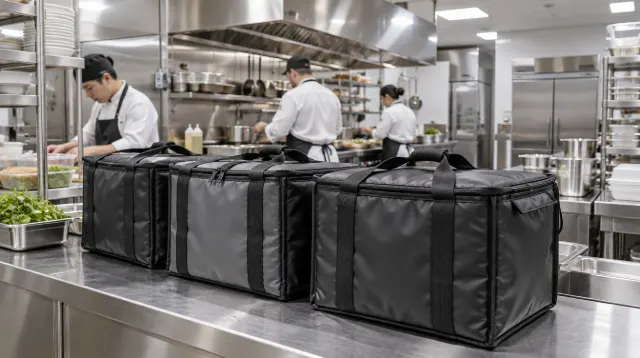
A cloud kitchen is delivery-only and doesn’t serve customers on site, which can change the licensing, location and fit-out requirements. Check the right activity before applying.

Every article is edited by a human and checked against our editorial policy. Spotted a mistake? Tell us.
How to get a food trade licence in Dubai: choosing the right activity, mainland vs free zone, approvals from DET and Dubai Municipality, and the costs.
How to start a cloud kitchen in Dubai: shared vs own kitchens, licensing, delivery platforms and commissions, menu engineering, branding and the numbers.
How food franchising works in the UAE: franchise vs own brand, fees and royalties, choosing a brand, the franchise agreement, location and questions to ask.