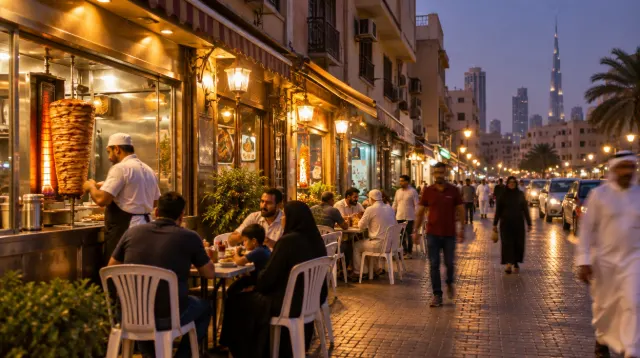
Biryani in Dubai: Styles and What to Order
A guide to biryani in Dubai: Hyderabadi, Malabar, Sindhi, Kolkata and Lucknowi styles explained, what to order, sides, portion sizes and where to look.
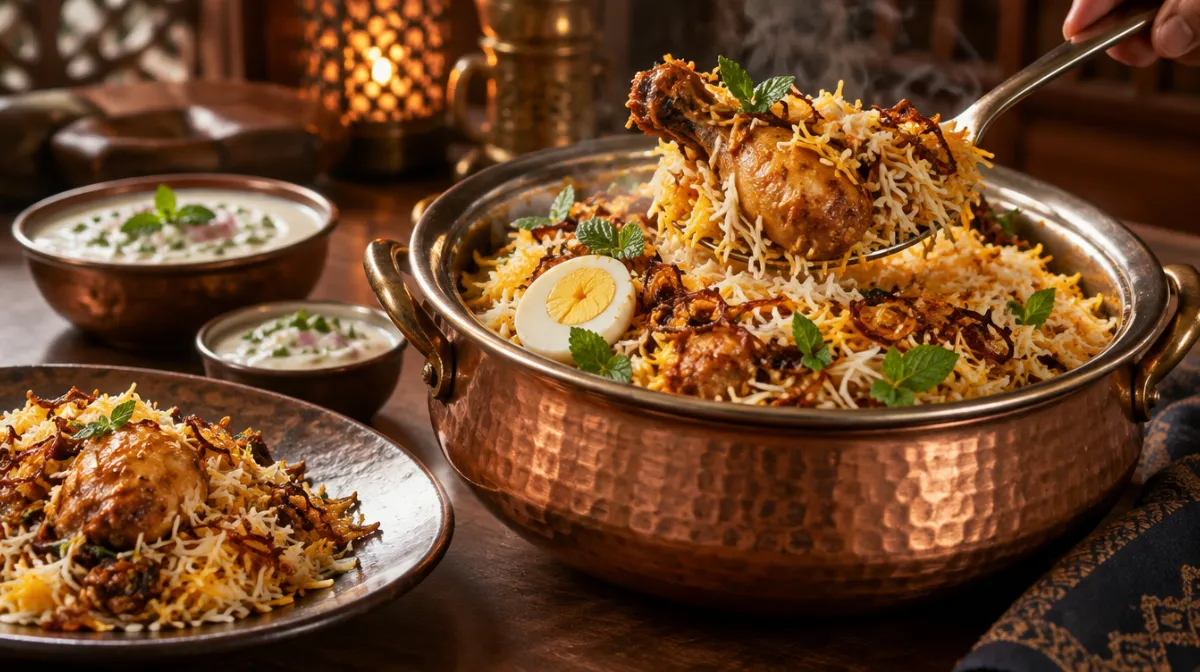
Key takeaways
- Dubai’s South Asian communities have brought almost every regional style of biryani to the city.
- Hyderabadi and Sindhi are the spiciest; Lucknowi and Malabar are milder and more aromatic.
- A great biryani has separate, fragrant grains, tender meat and balanced spice, not a pool of oil.
On this page
Biryani is one of Dubai’s best-loved comfort foods. With large Indian, Pakistani and Bangladeshi communities, the city has restaurants serving almost every regional style, from fiery Sindhi to fragrant Malabar. If you’re not sure what to order, start with a chicken dum biryani, then work through the styles below. This guide explains the differences, the sides that go with each and how to spot a great one.
What biryani is
Biryani is a layered dish of rice and spiced meat, fish, eggs or vegetables. The rice is usually long-grain basmati, partly cooked and then layered with the meat and masala. The pot is sealed and cooked slowly over a low heat, a method called dum, so the rice steams in the aromas below.
Two broad methods exist:
- Kachchi: raw marinated meat is layered with part-cooked rice and cooked together. It takes skill and is typical of Hyderabadi biryani.
- Pakki: the meat is cooked first, then layered with rice for the final dum. Most restaurant biryanis are made this way.
The main styles
| Style | Origin | What to expect |
|---|---|---|
| Hyderabadi | Southern India | Spicy and rich, with saffron, mint and fried onions; often kachchi |
| Lucknowi (Awadhi) | Northern India | Delicate and aromatic, gently spiced, meat cooked in stock first |
| Kolkata | Eastern India | Light and subtle, famous for adding potato and boiled egg |
| Malabar (Thalassery) | Kerala, India | Short-grain rice, ghee, fried onions, cashews and raisins; mild and fragrant |
| Sindhi | Pakistan | Very spicy and tangy, with potatoes, tomatoes, green chillies and dried plums |
| Karachi and Bombay | Pakistan and India | Punchy masala, often with potatoes and plenty of fried onion |
| Ambur and Dindigul | Tamil Nadu, India | Made with small-grain rice, tangy and peppery |
Gulf rice dishes such as mandi, kabsa and Emirati machboos are cousins rather than biryanis: the rice cooks in the meat stock instead of being layered with a separate masala.
What to order
| If you like… | Try |
|---|---|
| A safe first choice | Chicken dum biryani |
| Heat and tang | Sindhi or Hyderabadi |
| Mild and aromatic | Lucknowi or Malabar |
| Rich, slow-cooked meat | Mutton biryani (in the UAE, “mutton” usually means goat or lamb) |
| Seafood | Kerala-style fish or prawn biryani |
| Meat-free | Vegetable, paneer or egg biryani |
Vegetarians should ask whether the rice is cooked in meat stock; our guide to vegetarian and vegan eating in Dubai lists other ingredients to check.
The sides that go with it
- Raita: cooling yoghurt with onion, cucumber or mint. It comes with almost every biryani.
- Mirchi ka salan: a tangy chilli and peanut curry served with Hyderabadi biryani.
- Dalcha or brinjal curry: lentil or aubergine gravies common in South Indian restaurants.
- Pickle and papad (poppadom): standard with Malabar biryani.
- Salad: sliced onion, cucumber and lemon to cut the richness.
- Drinks: a salted or sweet lassi, buttermilk or a fresh lime soda.
Portions and sharing
Restaurants typically offer full and half portions, family packs for three or four people and, for parties, whole pots (handi) by the kilo. A “full” biryani is often generous enough for two moderate appetites, so ask about sizes before ordering for a group.
How to eat it
- Look out for whole spices. Cardamom pods, cloves, bay leaves and cinnamon sticks are there for flavour; set them aside on the plate.
- Use raita as you go. A spoonful mixed into each mouthful tempers the heat.
- Hands or cutlery are both fine. Many diners in South Asian restaurants eat with the right hand, but cutlery is always available.
- Squeeze over lemon and add a little salan or pickle for contrast.
Where to look in Dubai
Biryani is everywhere, from cafeterias to fine dining, but the densest concentration of specialist restaurants is in older neighbourhoods:
- Karama: Kerala and Pakistani restaurants, strong on Malabar and Sindhi styles
- Bur Dubai and Meena Bazaar: Hyderabadi and North Indian favourites
- Deira and Al Rigga: long-running Indian and Pakistani restaurants
- Al Qusais, Al Nahda and Satwa: busy local spots with big portions and low prices
Our cheap eats by neighbourhood guide points to more areas worth exploring on a budget.
How to spot a great biryani
- The grains are long, separate and fragrant, not mushy or broken.
- The meat is tender and falls from the bone, with the masala cooked into it.
- Spice is balanced. Even a hot biryani should taste of saffron, whole spices and herbs, not just chilli.
- It isn’t swimming in oil at the bottom of the plate.
- The onions are crisp and sweet, not burnt or soggy.
- It’s freshly made. Busy restaurants cook batches throughout the day.
Biryani for food businesses
Biryani travels well and is a delivery favourite, which makes it a popular choice for delivery-only brands. If you’re considering a biryani concept, read our guides to cloud kitchens in Dubai and food delivery apps for restaurants.
Frequently asked questions
Which biryani is the spiciest?
Sindhi and Hyderabadi biryanis are usually the hottest. Ask the restaurant to adjust the heat; many will make a milder version on request.
What is the difference between biryani and pulao?
Biryani layers part-cooked rice with a separately prepared masala and finishes it on dum. Pulao cooks rice and meat or vegetables together in stock in one pot, with milder spicing.
Is biryani in Dubai halal?
Restaurants in Dubai serve halal meat as standard, and pork is never used in biryani.
Sources

Every article is edited by a human and checked against our editorial policy. Spotted a mistake? Tell us.